Piano Keyboard
First Impressions: A Design for Branding and Functionality
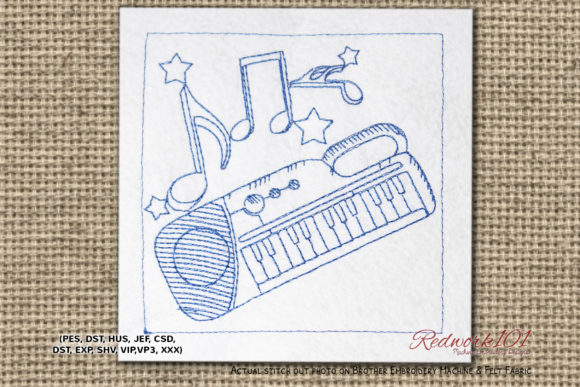
The Piano Keyboard design immediately stands out with its clean lines and recognizable subject matter. As an experienced embroidery designer, I find the visual personality of this design to be both modern and approachable. It feels like a perfect fit for small businesses that want to convey creativity, music, or a touch of elegance in their merchandise.
The title itself suggests a focus on functionality and brand identity. Whether used as a logo, accent, or branded element, Piano Keyboard offers versatility. The description mentions the optional Box Stitch, which adds depth without overwhelming the design. This makes it adaptable for different applications, from patches to apparel.
Business Use: From Patches to Custom Apparel
Piano Keyboard is well-suited for a variety of commercial embroidery projects. Here are some key use cases:
- Embroidered Patches: The design works well as a patch, especially when paired with a contrasting thread color. Its clear outlines and minimalistic style make it ideal for small patches.
- Chest Logos and Sleeve Details: On uniforms or workwear, Piano Keyboard can serve as a subtle yet impactful branding element.
- Cap Embroidery: The design fits nicely on cap fronts, where simplicity and clarity are essential.
- Apron Embroidery: For handmade or boutique aprons, Piano Keyboard adds a professional touch while maintaining a friendly vibe.
- Tote Bag Design: As a decorative element on tote bags, it enhances the product’s aesthetic without overpowering the overall look.
- Product Packaging Accents: Small embroidered logos on packaging can elevate the perceived value of a product.
- Custom Apparel: From shirts to jackets, Piano Keyboard can be integrated into custom apparel lines for a cohesive brand image.
Its adaptability makes it a strong candidate for small business merch, especially for creative studios, cafés, and craft brands looking to add a unique visual element to their products.
Design Considerations for Real-World Applications
While Piano Keyboard is visually appealing, there are several factors to consider before using it in production:
- Small Patch Sizes: The design should be tested at smaller sizes to ensure clarity and legibility. Details like the outer box may not translate well if scaled down too much.
- Curved Surfaces: If used on curved items like caps or hats, the design may require adjustments to maintain proportion and readability.
- Tiny Lettering: Any text within the design must be large enough to remain visible after embroidery, especially on dark fabrics.
- High Stitch Density: The design’s complexity may affect stitch density, so it’s important to confirm the file format and hoop size before production.
- Fabric Texture: The design may interact differently with various fabric types, particularly textured or dark-colored materials.
- Dark Uniforms: When applying Piano Keyboard to dark garments, thread contrast becomes critical for visibility and impact.
As an embroidery designer, I recommend testing the design in black and white first to assess how it performs under different lighting conditions and fabric types.
Impact on Brand Identity and Customer Engagement
Piano Keyboard has the potential to significantly influence brand identity. Its association with music and creativity makes it a versatile symbol for businesses in the arts, education, or lifestyle sectors. The design’s ability to blend professionalism with playfulness can help build trust and recognition among customers.
When used consistently across multiple product lines—such as custom apparel, product packaging, and digital embroidery files—Piano Keyboard reinforces brand consistency. This helps create a memorable brand experience that resonates with consumers.
Additionally, the design’s visual appeal can enhance the perceived value of a handmade product. Whether it’s a branded cap, embroidered apron, or tote bag, Piano Keyboard adds a touch of sophistication and artistry that appeals to both customers and retailers.
Practical Designer Notes for Production
To ensure successful implementation of Piano Keyboard, here are some practical steps to follow:
- Test in Black and White: Assess how the design looks in monochrome to identify any potential issues with contrast or clarity.
- Check Small Patch Size: Confirm that the design remains readable and visually appealing at reduced scales.
- Review Thread Color Contrast: Choose thread colors that provide maximum visibility against the intended fabric background.
- Inspect Spacing: Ensure that elements like the outer box and internal keys are properly spaced for optimal stitching.
- Confirm Hoop Size: Verify that the design fits within your machine’s hoop dimensions to avoid distortion or misalignment.
- Test on Real Fabric: Always perform a test stitch on actual fabric to evaluate how the design interacts with different textures.
- Use Proper Stabilizer: Select a stabilizer that supports the design’s complexity and prevents puckering or shifting during embroidery.
- Create a Mockup: Generate a printable mockup for client approval to ensure alignment with brand guidelines.
- Compare with Other Assets: Ensure Piano Keyboard complements other design assets for a cohesive brand presence.
- Confirm Commercial Licensing: Always verify that the design is licensed for commercial use before proceeding with mass production.
By following these steps, you can maximize the effectiveness of Piano Keyboard in your commercial embroidery projects and ensure it delivers both visual and functional value.