Quilt Pattern Lineart Design
A Designer’s First Impression
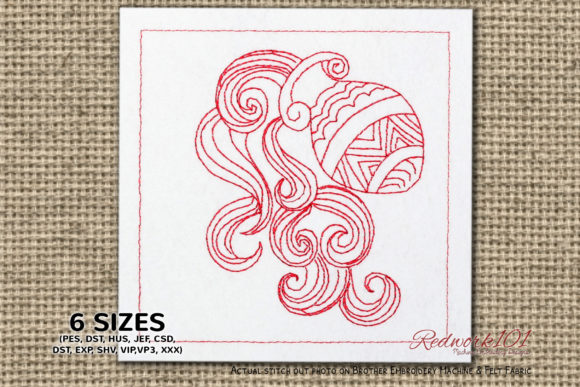
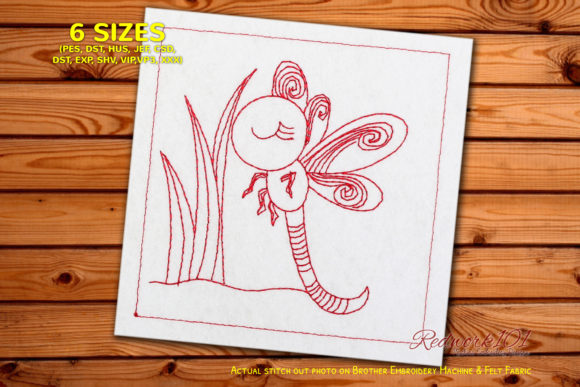
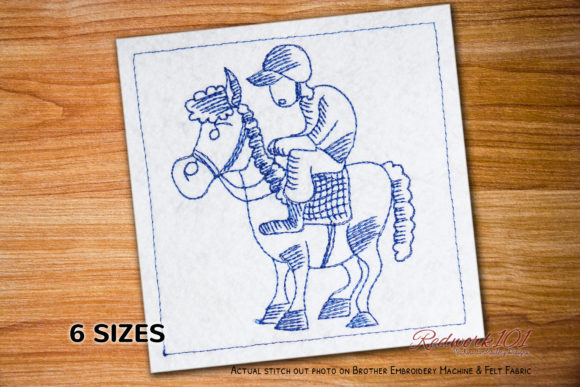
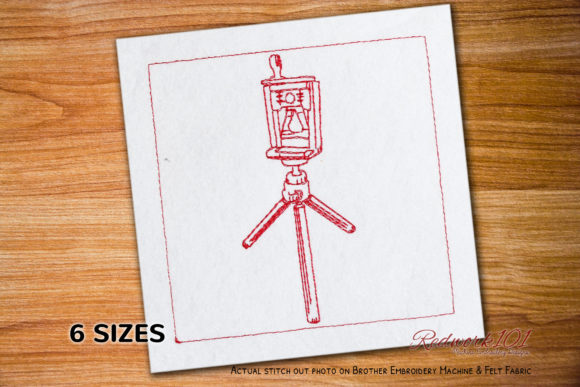
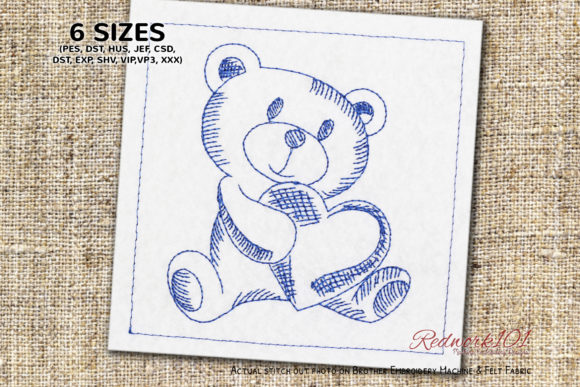
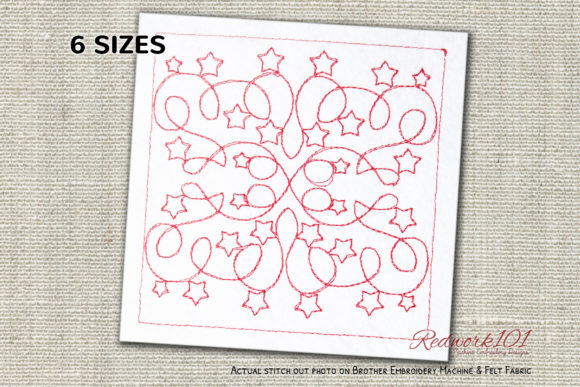
The first time I saw Quilt Pattern Lineart Design, I felt a quiet confidence in its simplicity. It’s not flashy or overly detailed, but it carries a strong visual personality—clean, structured, and intentional. The lineart style feels like a modern take on traditional quilt patterns, with a focus on precision and clarity. The absence of fill stitch in most designs gives it a minimalist aesthetic that works well for both personal and commercial use.
What It Brings to the Table
Quilt Pattern Lineart Design is ideal for projects where clarity and detail matter. Whether you're creating an embroidered patch, a custom tote bag, or a baby item, this design offers a versatile foundation. The clean lines make it easy to adapt to different fabric types and stitching techniques, which is a big plus for small business owners and Etsy sellers looking for flexibility.
For instance, when I was preparing a custom embroidered sweatshirt for a client, I used Quilt Pattern Lineart Design as the base. The sharp edges and consistent layout made it easy to scale and adjust for the specific size of the hoop. The design didn’t overpower the fabric, which was important since the client wanted a subtle yet meaningful look.
Real-Life Use Cases
Quilt Pattern Lineart Design performs well in a variety of embroidery applications. Here are some scenarios where it shines:
- Custom Apparel: Sweatshirts, t-shirts, and caps benefit from the clean lines and structured layout. It adds a touch of sophistication without overwhelming the garment.
- Baby Embroidery: The design’s simplicity makes it perfect for nursery items like pillow covers, bibs, and blankets. It’s also great for personalized gifts that require a gentle, approachable look.
- Holiday Embroidery: When creating holiday-themed products like tea towels or decorative patches, Quilt Pattern Lineart Design offers a timeless appeal that fits any season.
- Commercial Embroidery: For craft businesses and boutique brands, the design can be used consistently across multiple product lines, helping to build brand recognition and consistency.
- Digital Product Sellers: The design’s versatility makes it a valuable asset for printable mockups and digital embroidery files, especially for those selling online.
Where to Be Careful
While Quilt Pattern Lineart Design is versatile, there are situations where it might need extra attention:
- Small Hoop Sizes: The design’s intricate details may not translate well in smaller hoops, leading to potential distortion or loss of clarity.
- Textured or Thin Fabrics: These can affect stitch density and overall appearance, so testing on scrap fabric is essential before committing to a final project.
- Dark or Stretchy Fabrics: The contrast between thread colors and fabric background is crucial. A dark fabric may reduce visibility, making it harder to see the design after stitching.
- Curved Surfaces: Items like caps or hats may require additional adjustments to ensure the design flows naturally around the curve.
- Highly Detailed Areas: Dense stitch areas or tiny lettering should be tested thoroughly to avoid issues with stitch density or visibility.
Design Impact and Practical Considerations
Quilt Pattern Lineart Design has a clear visual impact, especially when used in handmade products. Its structured layout and minimalistic approach create a sense of professionalism and craftsmanship. This is particularly important for Etsy sellers and small shop owners who want to maintain a high standard of quality and presentation.
When it comes to customer trust, the design’s clarity and consistency help build credibility. A well-executed embroidery project using Quilt Pattern Lineart Design can enhance the perceived value of the finished product, whether it's a personalized gift or a boutique item.
From a practical standpoint, the design’s adaptability allows for creative freedom. However, it’s always wise to test the design on scrap fabric first. Checking thread color contrast, reviewing stitch density, and confirming hoop size are all essential steps before moving to the final product.
Designer Notes for Success
As an experienced designer, I recommend the following best practices when working with Quilt Pattern Lineart Design:
- Test on Scrap Fabric: Always test the design on a piece of scrap fabric to ensure it looks as expected and stitches cleanly.
- Check Thread Color Contrast: Ensure the chosen thread colors provide good contrast against the fabric background, especially for dark or light fabrics.
- Review Stitch Density: Adjust stitch density if needed to maintain clarity and prevent over-stitching or under-stitching.
- Confirm Hoop Size: Choose a hoop size that accommodates the design without stretching or distorting the lines.
- Inspect Small Details: Pay close attention to corners, edges, and any decorative accents to ensure they are well-defined and clean.
- Test in Black and White Mockups: This helps identify any potential issues with visibility or contrast before proceeding with full-color stitching.
- Use Proper Stabilizer: Selecting the right stabilizer is crucial for maintaining fabric integrity and ensuring a smooth stitching process.
- Check Licensing Terms: If planning to sell finished items or digital products, confirm the licensing terms to avoid any legal complications.
Final Thoughts
Quilt Pattern Lineart Design is a reliable choice for designers, small business owners, and crafters looking for a clean, structured, and adaptable embroidery solution. Its versatility makes it suitable for a wide range of applications, from custom apparel to personalized gifts. With careful preparation and attention to detail, this design can elevate your handmade products and contribute to a professional, trustworthy brand image.